On June 25, 2009, Google briefly mistook human grief for a cyberattack. A new Michael Jackson film is arriving in theaters, and the world is arguing again — about the man, the myth, and the scale of the reaction around him. Most coverage focused on the celebrity. Very little focused on the systems around him.
Most people remember the celebrity. Very few remember the scale. The patents, the property, the logistics, the medical records, and the numbers that most obituaries never bothered to print.
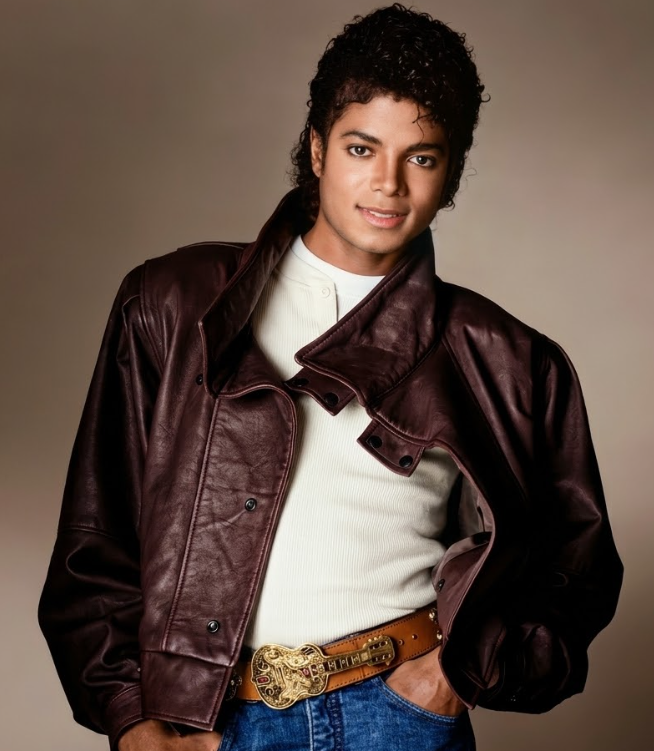
The Day Google Thought the Internet Was Under Attack
Between 2:40 PM and 3:15 PM Pacific time on June 25, 2009, Google News users encountered blocking behavior and error responses as the platform’s automated security systems struggled to distinguish between a coordinated cyberattack and an unprecedented global surge of searches for the same name. A Google spokesperson confirmed the disruption to CNET — 35 minutes of instability triggered not by a nation-state, not by a criminal network, but by one name reaching the internet all at once.
Then the major platforms started failing one after another. Twitter reported an unprecedented surge of Jackson-related traffic during that window. Wikipedia logged close to one million visitors to Jackson-related pages within a single hour — the Wikimedia Foundation described it as one of the largest single-hour traffic surges in the platform’s history. AOL Instant Messenger crashed for 40 minutes. AOL’s official statement called it “a seminal moment in Internet history.” TMZ, which broke the story first, suffered multiple outages. Users shifted platform to platform as each service slowed or failed.
In 2009, the internet was not built for this level of attention. Before algorithms were designed to absorb this kind of shock, before platforms had infrastructure for global grief, Michael Jackson produced the event anyway — and the infrastructure of the time could barely handle it. For a few hours, the internet struggled to keep up with a single name.
He Didn’t Just Sing the Beatles. He Owned Them.
In August 1985, Michael Jackson paid $47.5 million for ATV Music Publishing. Inside that catalog sat 251 Lennon-McCartney compositions — “Yesterday,” “Let It Be,” “Hey Jude,” “Come Together” — at the center of one of the most valuable catalogs in pop music. Paul McCartney had explained music publishing to Jackson years earlier, casually, over dinner. How owning a song meant collecting money every time it was played, recorded, licensed, or placed in a commercial. McCartney reportedly found the idea amusing when Jackson said he planned to buy the Beatles catalog. The deal closed on August 10, 1985.
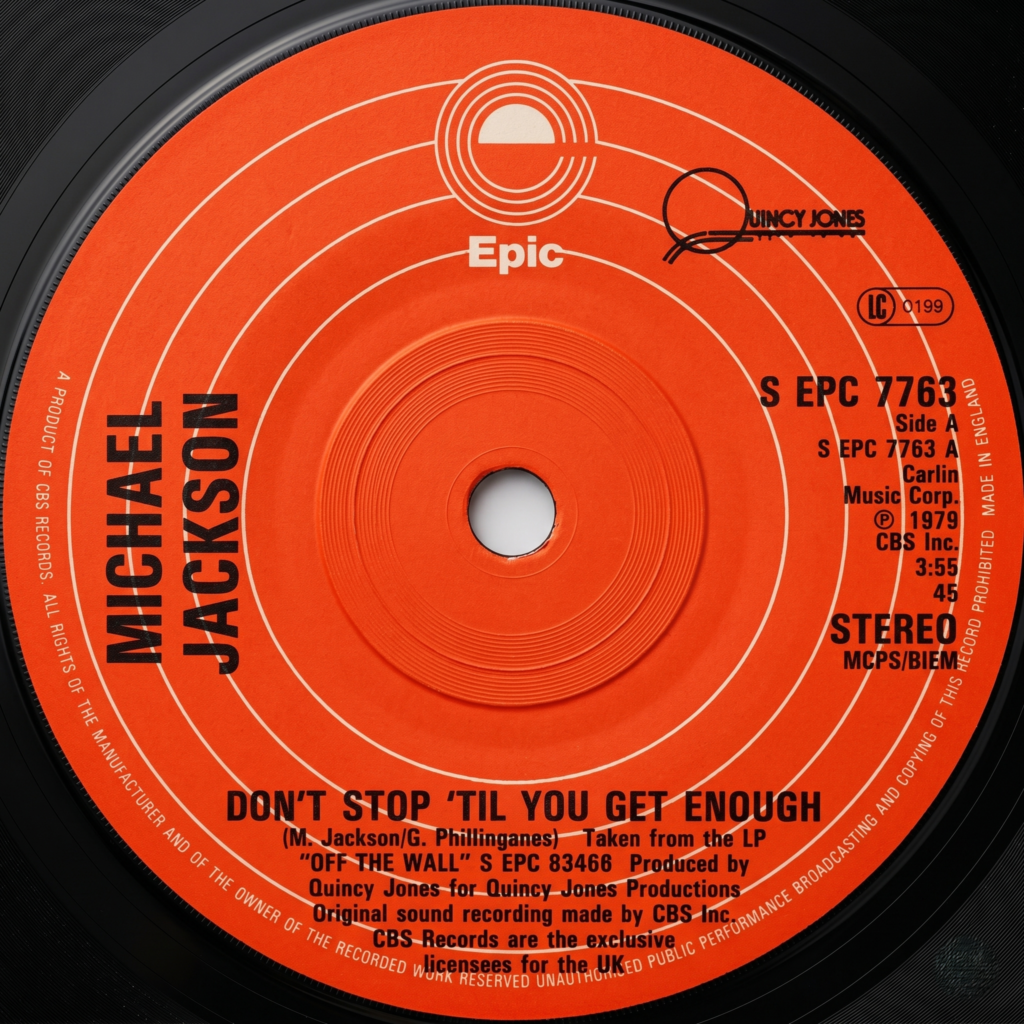
In 1995, Jackson merged ATV with Sony’s publishing division to create Sony/ATV, retaining a 50 percent ownership stake. Through most of the 2000s, the financial press ran story after story about his mounting debts and imminent financial collapse. What those reports consistently buried was the asset sitting underneath all of it — a catalog quietly compounding in value while reporters counted his spending. In 2016, seven years after his death, Sony paid Jackson’s estate $750 million for that remaining 50 percent. An investment of $47.5 million had, over three decades, turned into one of the most lucrative intellectual property transactions in entertainment history. By the mid-1990s, Jackson was operating less like a pop star and more like a major intellectual-property owner. Back then, most coverage treated the catalog like a side story.
The “Magic” Was Filed With the Patent Office
On June 29, 1992, Jackson submitted a patent application to the United States Patent and Trademark Office. On October 26, 1993, Patent No. 5,255,452 was officially granted. Title: “Method and Means for Creating Anti-Gravity Illusion.” The co-inventors listed alongside Jackson were Michael L. Bush and Dennis Tompkins. The document described a specialized heel slot machined into a performance shoe, designed to lock onto a retractable peg rising through the stage floor on cue. When engaged, the mechanism allowed the wearer’s center of gravity to shift forward well beyond what the human body can sustain without mechanical assistance — producing the 45-degree forward lean that audiences watched in Smooth Criminal and concluded was physically impossible.
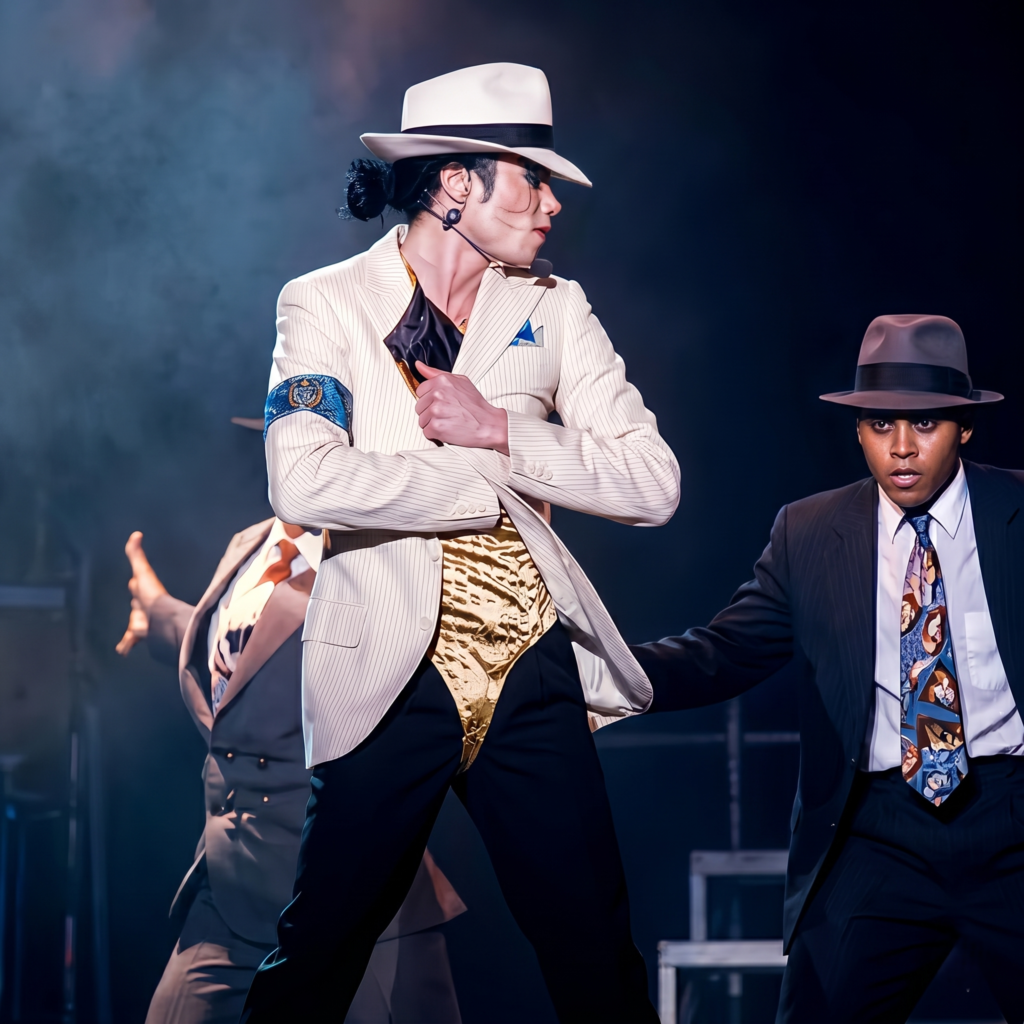
The original music video used wire harnesses. The patent solved the live performance version: how do you replicate that lean on a touring stage, night after night, in front of 50,000 people, with no visible cables? Pulling that off on a live stage required load-bearing calculations, precision manufacturing tolerances, and timed mechanical release built into the stage floor itself. Jackson did not just perform the illusion. He helped patent the mechanism behind it. To the patent office, it was an engineering problem.
He Rewrote the Rules of Live Television Without Trying
Before January 31, 1993, the Super Bowl halftime show was, by near-universal consensus, the portion of the broadcast when Americans went to refill drinks. Radio City Music Productions booked Jackson after three rounds of failed negotiations, ultimately agreeing to a structure where the NFL donated $100,000 to his Heal the World Foundation rather than paying an appearance fee. He performed for roughly 27 minutes. The game’s national Nielsen rating was 45.1. The halftime show registered 45.5 — higher than the game itself. According to NBC Sports president Dick Ebersol, the record-high overall broadcast numbers were largely attributable to the halftime performance. It was the first time in Super Bowl history that the break drew more viewers than the game it interrupted.

The halftime performance drew one of the largest television audiences in American entertainment history. For decades, it remained the benchmark for Super Bowl halftime television audiences. The NFL’s institutional response to 1993 was immediate and permanent: the league restructured the halftime show from a promotional obligation into a cultural centerpiece, actively recruiting the largest names in entertainment for every subsequent year. Modern Super Bowl halftime culture largely begins there. After 1993, the NFL permanently rebuilt halftime entertainment around celebrity spectacle.
The 100-Ton Operation That Moved City to City
The Dangerous World Tour ran from June 27, 1992 to November 11, 1993 — 69 performances across 17 countries, attended by approximately 3.5 million people. Moving the production between cities required over 100 tons of equipment, roughly the equivalent of 20 fully loaded semi-trucks. Between venues, that weight moved by air: two Boeing 747 cargo aircraft chartered specifically for the tour. Once the planes landed, it took a crew of specialized engineers and technicians three full days to assemble the stage before a single rehearsal could begin.
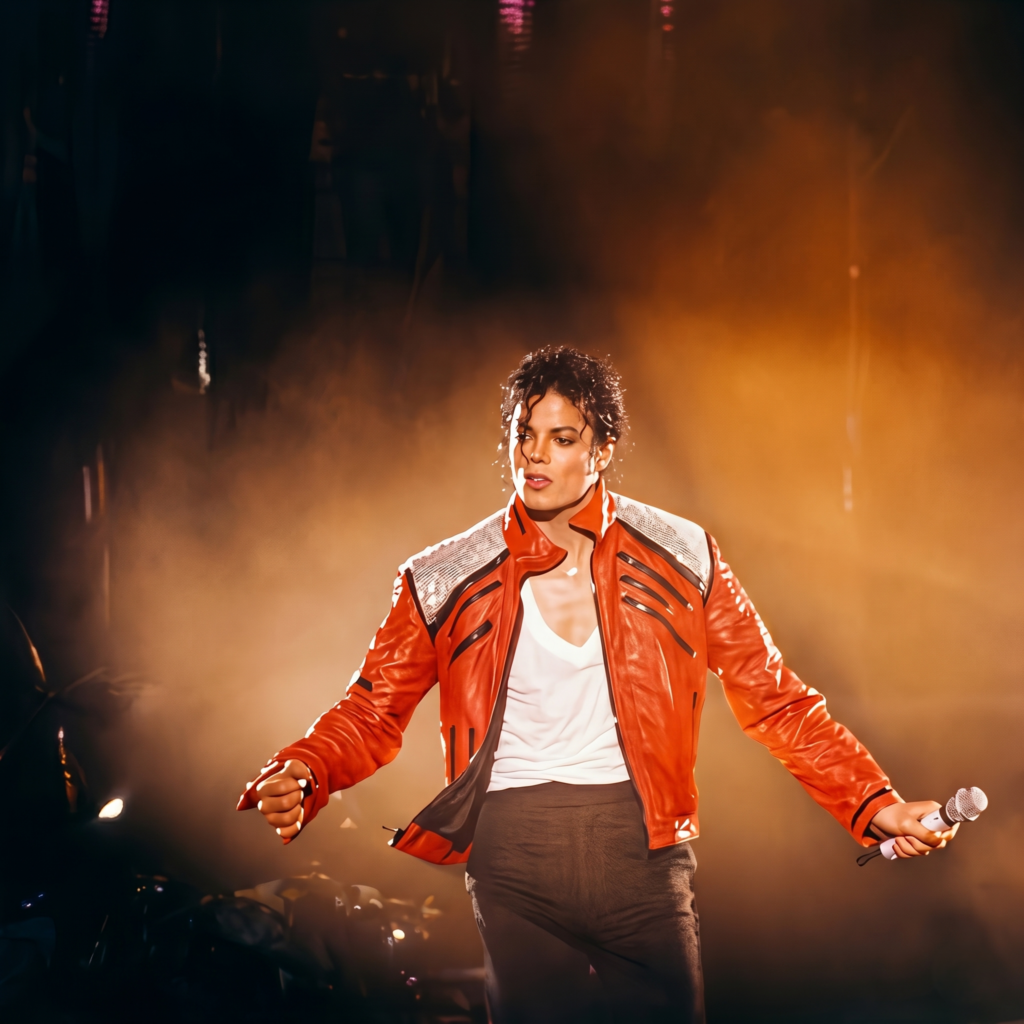
The tour traveled with roughly 160 staff members, including private medical personnel, engineers, and production specialists who operated under logistical protocols closer to a state diplomatic visit than a concert tour. Pepsi sponsored the tour for a reported $20 million. Jackson stated that the tour’s net proceeds would support the Heal the World Foundation. He built the largest touring production the industry had seen at that point, then gave away the proceeds. The touring model he built during this period became the template for the stadium touring industry that followed through the rest of the 1990s and into the 2000s.
The Game Soundtrack Nobody Was Supposed to Know About
In 1993, Jackson visited the Sega Technical Institute and composed music for Sonic the Hedgehog 3 alongside Brad Buxer, his keyboardist and musical director. The game shipped in February 1994 with Jackson uncredited. Buxer confirmed the collaboration in a 2009 interview with the French publication Black and White, stating Jackson reportedly did not want his name attached to a version he felt degraded the work — the Genesis console’s compressed audio chipset had reduced the quality of the compositions to a degree he found unacceptable.
The evidence has accumulated steadily since. In 2022, Sonic creator Yuji Naka publicly expressed surprise that Sonic Origins had replaced the original tracks, lending weight to what fans had argued for decades. Sega’s long resistance to re-releasing Sonic 3 — absent from major collections for over a decade before Sonic Origins — pointed to unresolved licensing complications. When they finally released it, the original tracks were gone. Licensing disputes don’t typically arise around music with no identifiable owner. It may be one of the largest entertainment projects long rumored to involve Jackson without formal public credit.
Guinness Certified. Nobel Nominated. Twice.
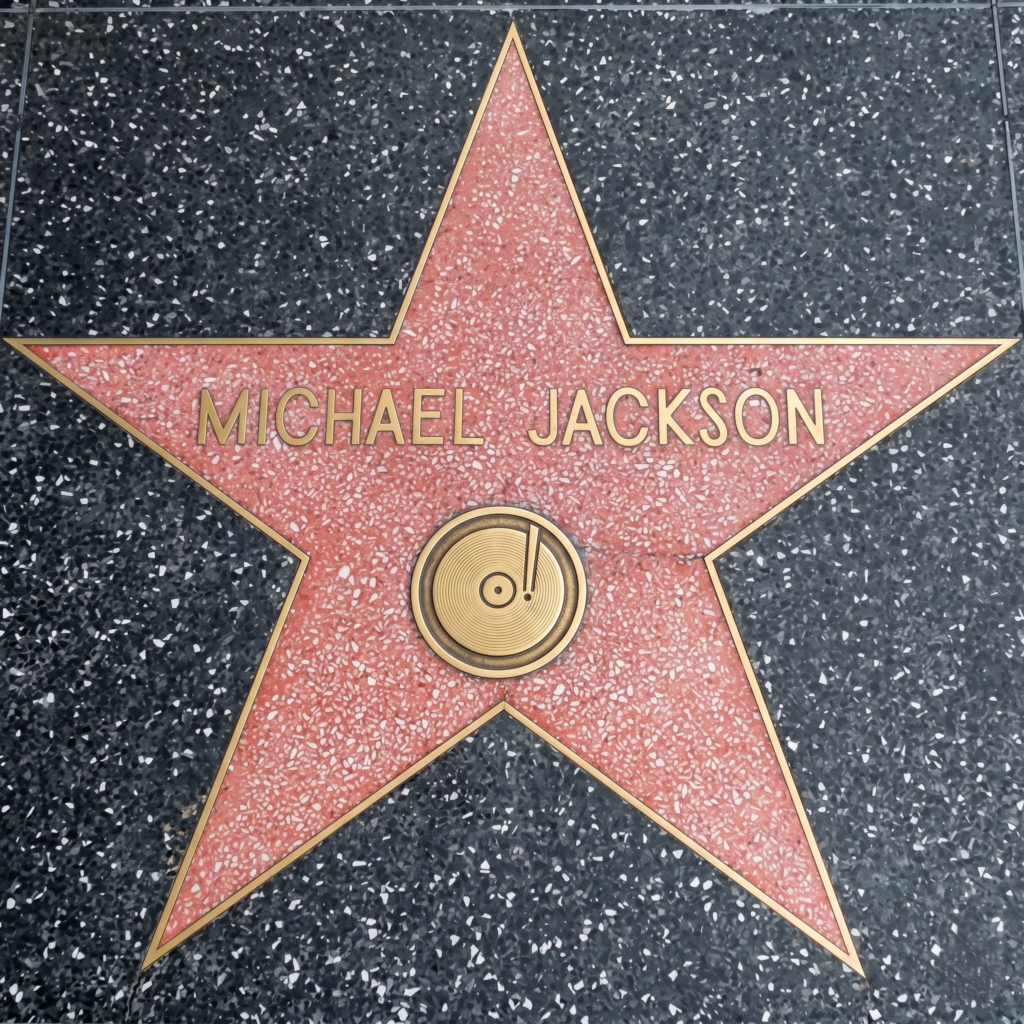
In 2000, Guinness World Records officially certified Jackson as the pop star who had supported the largest number of charitable organizations — 39 separate institutions. The list included the American Cancer Society, AIDS Project Los Angeles, the United Negro College Fund, the Make-A-Wish Foundation, the Children’s Defense Fund, Childhelp USA, and dozens more spanning cancer research, HIV/AIDS programs, drug abuse prevention, disaster relief, and child welfare across multiple continents. He was nominated for the Nobel Peace Prize in 1998, and again in 2003, according to records cited across multiple news archives from those years.
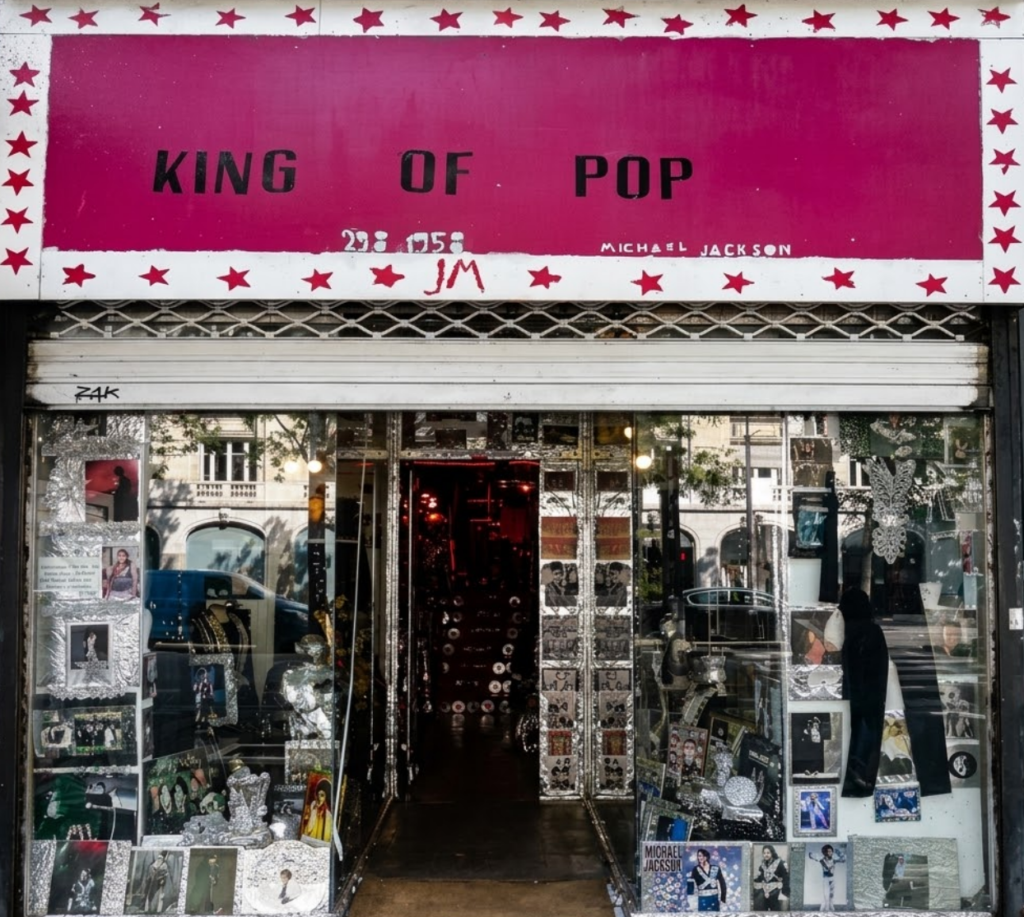
The lifetime donation total cited across sources ranges between $300 million and $500 million — a spread that exists largely because Jackson gave substantial amounts anonymously and without press releases. The Chronicle of Philanthropy described his early charitable work as having paved the way for the current era of celebrity philanthropy. The Los Angeles Times noted that he set the standard for generosity among entertainers. Both assessments were made while he was alive. Neither got much traction in the coverage that followed.
He Turned a Pepsi Accident Into a Medical Institution
In January 1984, while filming a Pepsi commercial at the Shrine Auditorium in Los Angeles, a pyrotechnic malfunction ignited Jackson’s hair during a take. He sustained second and third-degree burns to his scalp. Pepsi settled the resulting lawsuit out of court. The settlement amount was $1.5 million. Jackson donated the full amount to the Brotman Medical Center in Culver City, California. The hospital later established the Michael Jackson Burn Center using the settlement funds.
The settlement could have gone anywhere. It went directly into medical infrastructure. Jackson had been visiting patients in Brotman’s burn unit before the accident — hospital staff later noted that he had made multiple unannounced visits to sick children in the ward, not as publicity, but as a private habit. Hospital staff said the visits were never treated as publicity events. It was a continuation of something already in progress. It is still treating patients.
47 Tons Into a War Zone
In November 1992, at the height of the Bosnian War, Jackson’s Heal the World Foundation partnered with the humanitarian organization AmeriCares to execute a relief airlift into Sarajevo. The shipment weighed 47 tons — 93,000 pounds of medicine, blankets, winter clothing, and shoes valued at approximately $2.1 million. The supplies were distributed to children affected by the ongoing siege. Separately, the foundation coordinated the delivery of 60,000 doses of children’s vaccines to the Republic of Georgia, and twice partnered with the UK-based Operation Christmas Child to airlift supplies into Bosnia.
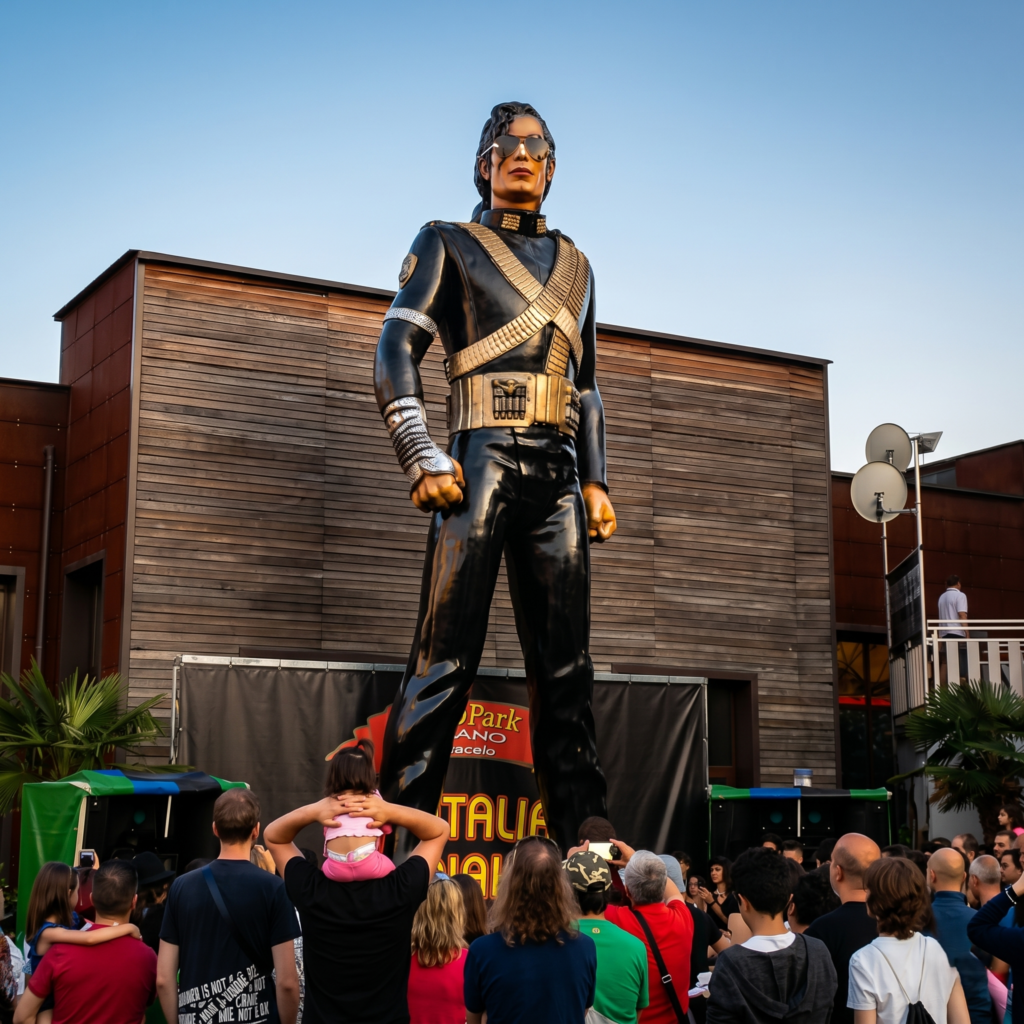
Most entertainers who engage in humanitarian work do so through fundraising concerts and awareness campaigns. Jackson’s foundation moved physical cargo into an active conflict zone. Raising money for a crisis and organizing a logistics operation into that crisis are different categories of action. The 47-ton Sarajevo airlift required coordination with international aid organizations, customs authorities, and transportation networks operating under wartime conditions. By the early 1990s, Jackson had the money, the reach, and the infrastructure to move physical aid into a war zone.
The Autopsy That Ended a 30-Year Argument
For roughly three decades, one of the most persistent narratives in mainstream media coverage of Michael Jackson was that he had intentionally bleached his skin — that the change in his appearance was a cosmetic choice reflecting some form of racial self-rejection. Jackson denied this consistently, stating in a 1993 interview with Oprah Winfrey that he had been diagnosed with vitiligo, a chronic autoimmune disorder that destroys skin pigmentation, and that his skin had begun changing in the early 1980s.
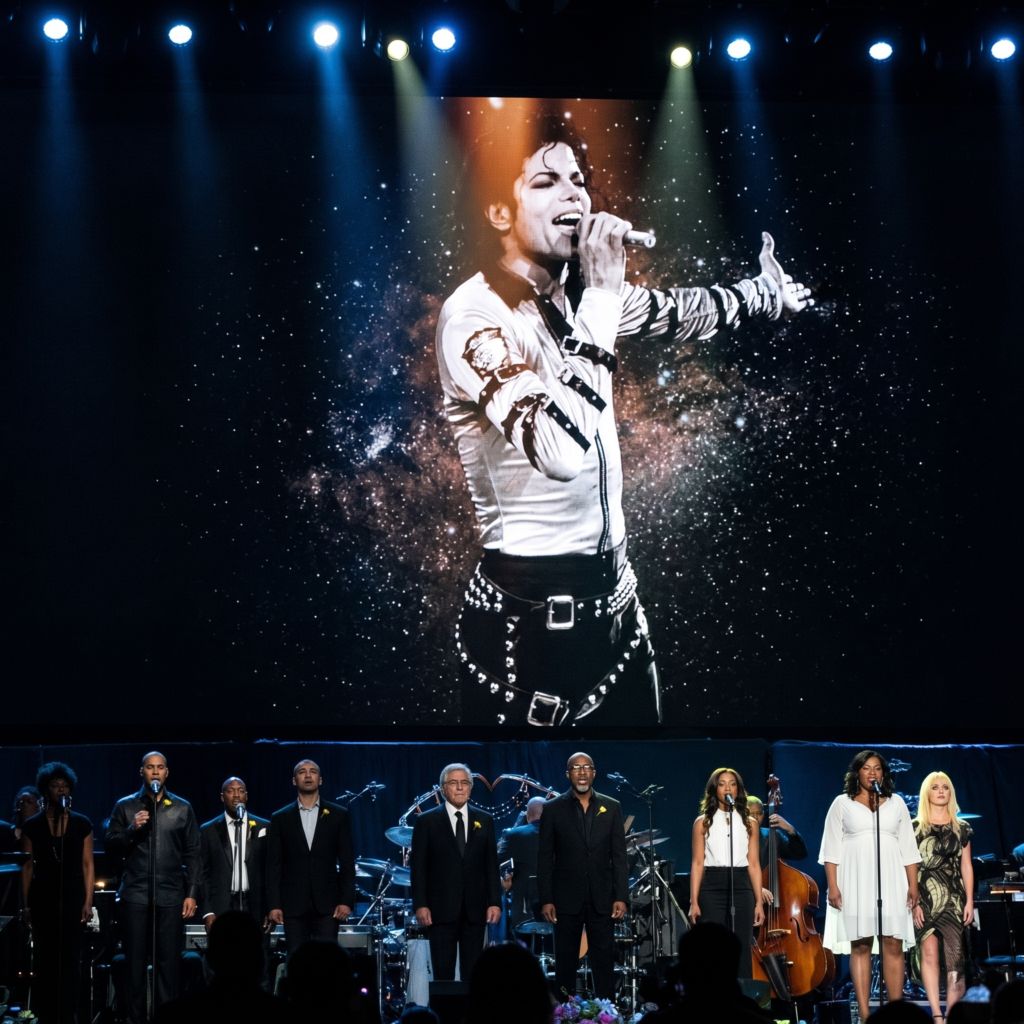
The Los Angeles County Coroner’s autopsy report — filed as Case No. 2009-04415 on August 28, 2009 — documented “focal depigmentation of the skin” consistent with vitiligo across his body. The report aligned precisely with what Jackson had stated publicly sixteen years earlier. His dermatologist, Arnold Klein, confirmed the diagnosis had been established through biopsy. The condition is documented in Britannica’s medical reference and confirmed across multiple dermatological sources. The autopsy did not resolve every question about Michael Jackson. But it resolved this one. The narrative that drove thirty years of mockery was medically incorrect.
What the Record Shows, and What It Does Not
The facts above are verifiable. Several of them also exist alongside a story that remains genuinely unresolved. The 2019 documentary Leaving Neverland brought renewed attention to allegations of child sexual abuse that Jackson’s estate has consistently denied. Those allegations were never adjudicated criminally — the 1993 civil case settled without admission of liability, and the 2005 criminal trial ended in acquittal on all counts. Whether that record reflects innocence or the limits of what a legal process can establish is a point of real and ongoing disagreement.
The patent, the copyright portfolio, the humanitarian logistics, the autopsy findings — these are not arguments for or against any verdict. They are a separate category of information, and collapsing everything about a person into a single moral frame tends to produce a less accurate picture than the evidence actually supports. Jackson was a patent holder, an intellectual property strategist, a logistical architect, and a medical patient managing a documented autoimmune disease. He was also a figure at the center of serious and unresolved allegations. Both belong in the same record. Leaving either side out produces an incomplete record.
Documented Clarifications
Q. Did Michael Jackson really own the Beatles catalog?
Jackson purchased ATV Music Publishing in August 1985 for $47.5 million. The catalog included 251 Lennon-McCartney compositions. In 1995, he merged ATV with Sony’s publishing division to create Sony/ATV, retaining a 50 percent stake. Sony acquired that remaining stake from Jackson’s estate in 2016 for $750 million. The Beatles did not regain control of the catalog during Jackson’s lifetime.
Q. Was Michael Jackson’s vitiligo confirmed after his death?
The Los Angeles County Coroner’s autopsy report — Case No. 2009-04415 — documented “focal depigmentation of the skin,” consistent with vitiligo, a chronic autoimmune disorder. Jackson had disclosed the diagnosis in a 1993 Oprah Winfrey interview, stating his skin began changing in the early 1980s. The autopsy record aligned with that account.
Q. How large was the Dangerous World Tour’s production footprint?
The tour ran June 1992 to November 1993 across 17 countries, 69 shows, roughly 3.5 million attendees. Moving the production required over 100 tons of equipment transported by two Boeing 747 cargo aircraft. Stage assembly at each city took three full days. The entire net revenue from the tour was directed to the Heal the World Foundation.
What the Documents Actually Show
Public understanding of Michael Jackson was shaped by tabloid coverage, courtroom reporting, and decades of conflicting narratives. The documented Michael Jackson filed engineering patents, purchased the Beatles catalog at 26, built medical infrastructure from a Pepsi settlement, moved 47 tons of humanitarian cargo into an active war zone, composed a video game soundtrack that a major corporation has spent decades trying to quietly resolve, and generated enough internet traffic at the moment of his death to trigger a Google security alert. More than thirty years after Thriller, a new film brings him back into theaters. The systems around him were never designed for a person operating at that scale.
Tip For Readers
Patent No. 5,255,452 is publicly available in full — including the original technical diagrams — through the Google Patents database. Jackson’s documented humanitarian record is detailed in the Wikipedia Philanthropy of Michael Jackson entry, citing Guinness World Records 2000 certification, AmeriCares coordination records, and Nobel Peace Prize nomination documentation.
Verified Sources
Google Inc. — Official spokesperson statement to CNET regarding Google News service disruption, June 25, 2009
CNN Technology — “Jackson dies, almost takes Internet with him,” June 26, 2009
Wikimedia Foundation — Traffic report, Michael Jackson Wikipedia article, June 25, 2009
AOL Inc. — Official statement on AOL Instant Messenger outage, June 25, 2009
United States Patent and Trademark Office — Patent No. 5,255,452, “Method and Means for Creating Anti-Gravity Illusion,” granted October 26, 1993
Billboard Magazine — “A Timeline of Michael Jackson’s Best Bet: The Sony/ATV Catalog,” March 16, 2016
NPR News — “Sony Buys Michael Jackson’s Stake In Lucrative Music Catalog,” March 15, 2016
Los Angeles Times — Super Bowl XXVII halftime Nielsen ratings report, January 1993
Guinness World Records — “Most charities supported by a pop star,” 2000 edition
Wikipedia, Philanthropy of Michael Jackson — AmeriCares partnership records, Sarajevo airlift data, Nobel Peace Prize nominations 1998 and 2003
Black and White Magazine (France) — Brad Buxer interview on Sonic the Hedgehog 3 involvement, December 2009
Los Angeles County Department of Medical Examiner-Coroner — Autopsy Report No. 2009-04415, August 28, 2009
Britannica — “Did Michael Jackson have vitiligo?”, 2025
Kerry Hennigan — “Michael Jackson on Tour: Staging the Greatest Show on Earth,” 2017
Image credits: All images sourced from Wikimedia Commons and used in accordance with their respective licenses (CC BY, CC BY-SA, CC Zero, or Public Domain where applicable). No Getty, AP, or agency-watermarked images were used. No screenshots from music videos, films, or official concert DVDs were used.
Sources: Wikimedia Commons – Michael Jackson · Dangerous World Tour · HIStory World Tour · Clothing of Michael Jackson · Hollywood Walk of Fame Star · Statues of Michael Jackson · Memorial Service